TRANSEXAMIC ACID 2% – A synthetic derivative of the amino acid lysine, which provides a pronounced therapeutic effect without the risk of skin irritation typical of aggressive brightening substances. Unlike classical direct inhibitors tyrosinase, tranexamic acid acts at earlier stages of the pigment formation cascade, blocking the interaction between keratinocytes and melanocytes. The mechanism of action is based on reversible blocking of binding sites on plasminogen molecules, which prevents its transformation into plasmin under the influence of UV radiation or inflammatory factors. A decrease in the level of plasmin leads to the suppression of the release of free arachidonic acid and the subsequent synthesis of prostaglandins, in particular PGE2. Since prostaglandins are direct stimulants melanocytes, interruption of this chain sharply reduces the activity of pigment-producing cells.
At the same time, the product blocks vascular endothelial growth factor (VEGF), which provides a pronounced antiangiogenic effect. A decrease in the density of the capillary network reduces the severity of erythema and the nourishment of melanocytes, which is critical for the treatment of melasma and dark circles under the eyes with a vascular component. In addition, tranexamic acid indirectly reduces the amount of endothelin-1 (ET-1), slowing down the transfer of ready-made melanosomes to the upper layers of the epidermis.
Studies in dermatological practice confirm the high effectiveness of topical and intradermal tranexamic acid at a concentration of 2% both in monotherapy and in synergy with other active ingredients (niacinamide, vitamin C):
- Decrease in MASI/mMASI index. In randomized controlled trials (RCTs), the use of a 2% solution of tranexamic acid for 8–12 weeks showed positive dynamics in 71.6%–80% of patients with melasma. A steady decrease in the area and intensity of pigment spots is recorded.
- Comparability with hydroquinone. Clinical trials comparing 2% tranexamic acid with 2% hydroquinone (the gold standard of dermatology) demonstrated proportional reductions in MASI by the end of week 12, while the incidence of side effects (erythema, peeling, itching) was minimal.
- Histological changes. Skin biopsy and Fontana-Masson staining after the course of therapy confirmed an objective decrease in melanin content in the basal layer of the epidermis, as well as a decrease in the number of CD31-positive vessels, which proves a simultaneous effect on the vascular network of the face and periorbital zone.
NIACINAMIDE (vitamin B3) – A multifunctional dermatological component with an effect aimed at reducing inflammation, strengthening the barrier and regulating the secretion of sebum. Improves microcirculation, strengthens the lipid barrier and helps restore normal skin immunity.
Niacinamide is a precursor of nicotinamide adenine dinucleotide (NAD⁺) and NADP⁺, key coenzymes in cellular metabolism that participate in redox reactions, maintaining the energy balance of the cell (glycolysis, Krebs cycle, oxidative phosphorylation). By increasing NADPH levels, niacinamide enhances the activity of the cell’s antioxidant defense systems, including glutathione and thioredoxin, helping to protect the skin from photodamage and premature aging. Niacinamide inhibits the activity of nuclear factor κB (NF-κB), which regulates the expression of pro-inflammatory cytokines (IL-1β, IL-6, TNF-α), reducing inflammation and preventing tissue damage. In addition, niacinamide reduces the activity of the enzyme 5-alpha reductase, which converts testosterone to dihydrotestosterone (DHT), a hormone that stimulates the production of sebum. It helps control oiliness and reduce breakouts. Niacinamide inhibits the transport of melanosomes from melanocytes to keratinocytes, thereby reducing hyperpigmentation and brightening the skin. It also increases the expression of genes encoding procollagen-1 and enzymes involved in its maturation, which helps reduce wrinkles and improve skin elasticity.
ASCORBYL GLUCOSIDE (Stable form of vitamin C) – A stable water-soluble derivative of L-ascorbic acid conjugated with glucose, which has high resistance to hydrolytic and oxidative degradation under the influence of light, heat and oxygen in a wide pH range with an optimum stability of 5.0–7.0. When administered transdermally, the molecule undergoes gradual enzymatic hydrolysis under the influence of alpha-glucosidase of the epidermis, providing prolonged release of pure, biologically active ascorbic acid without the risk of irritating dermatitis.
The substance acts as a direct inhibitor of tyrosinase, blocking the activity of the enzyme by interacting with its copper-containing catalytic center. Ascorbyl glucoside blocks the oxidation of L-DOPA to dopamine and reduces the already formed dark oxidized melanin to its colorless form, which allows to effectively correct the manifestations of melasma and post-inflammatory hyperpigmentation. Free ascorbic acid, released after hydrolysis, acts as an obligatory cofactor for lysyl and prolyl hydroxylase enzymes, which ensure cross-linking and stabilization of the triple helix of procollagen molecules. The substance activates the synthetic function of fibroblasts, stimulating the expression of collagen types I and III genes, which increases the density of the dermal matrix. At the same time, the component acts as a powerful acceptor of free radicals (ROS), neutralizing oxidative stress induced by type A and B UV radiation and pollutants, prevents lipid peroxidation of cell membranes and protects cell DNA from photodamage. In addition, ascorbyl glucoside reduces the release of pro-inflammatory cytokines, modulates the vascular reaction of the epidermis, reduces the severity of neurogenic erythema and stimulates the synthesis of epidermal lipids, strengthening the barrier function of the skin.
The clinical effectiveness of ascorbyl glucoside has been confirmed by numerous in vivo and in vitro studies. In a placebo-controlled study involving patients with severe solar hyperpigmentation, topical application of the drug with ascorbyl glucoside for 90 days resulted in a statistically significant brightening of pigmentation spots in 91% of subjects. Clinical tests on cultured human dermal fibroblasts have demonstrated that sustained release vitamin C with ascorbyl glucoside maintains a consistently high level of collagen synthesis for a long time compared to free L-ascorbic acid, which is quickly destroyed in the cellular environment. In addition, clinical trials on sensitive skin demonstrated a 27% reduction in the erythema index after an artificially induced UV burn with ascorbyl glucoside pretreatment. Ascorbyl glucoside has been found to be a non-reactogenic and non-cumulative ingredient in patch tests, which, unlike pure ascorbic acid, does not cause erythema, burning or peeling, even in patients with rosacea and atopic dermatitis.
GLUTATHIONE – A tripeptide that is a powerful endogenous antioxidant and a direct modulator of melanogenesis. Its action in the therapy of hyperpigmentation is based on the ability to suppress the activity of the tyrosinase enzyme by binding copper in its catalytic center. In addition, due to the presence of a sulfur-containing group, glutathione redirects pigment synthesis, switching the formation of dark eumelanin to light pheomelanin. The product also neutralizes free radicals and reduces the level of oxidative stress in melanocytes, which prevents the initiation of post-inflammatory hyperpigmentation. In synergy with ascorbyl glucoside, entering into a redox reaction, glutathione regenerates the oxidized form of vitamin C, returning it to an active state directly in the tissues, which significantly lengthens and strengthens overall antioxidant and brightening effect of the product. Thus, the component provides a qualitative change in the characteristics of the pigment and maintains the stability of other active ingredients.
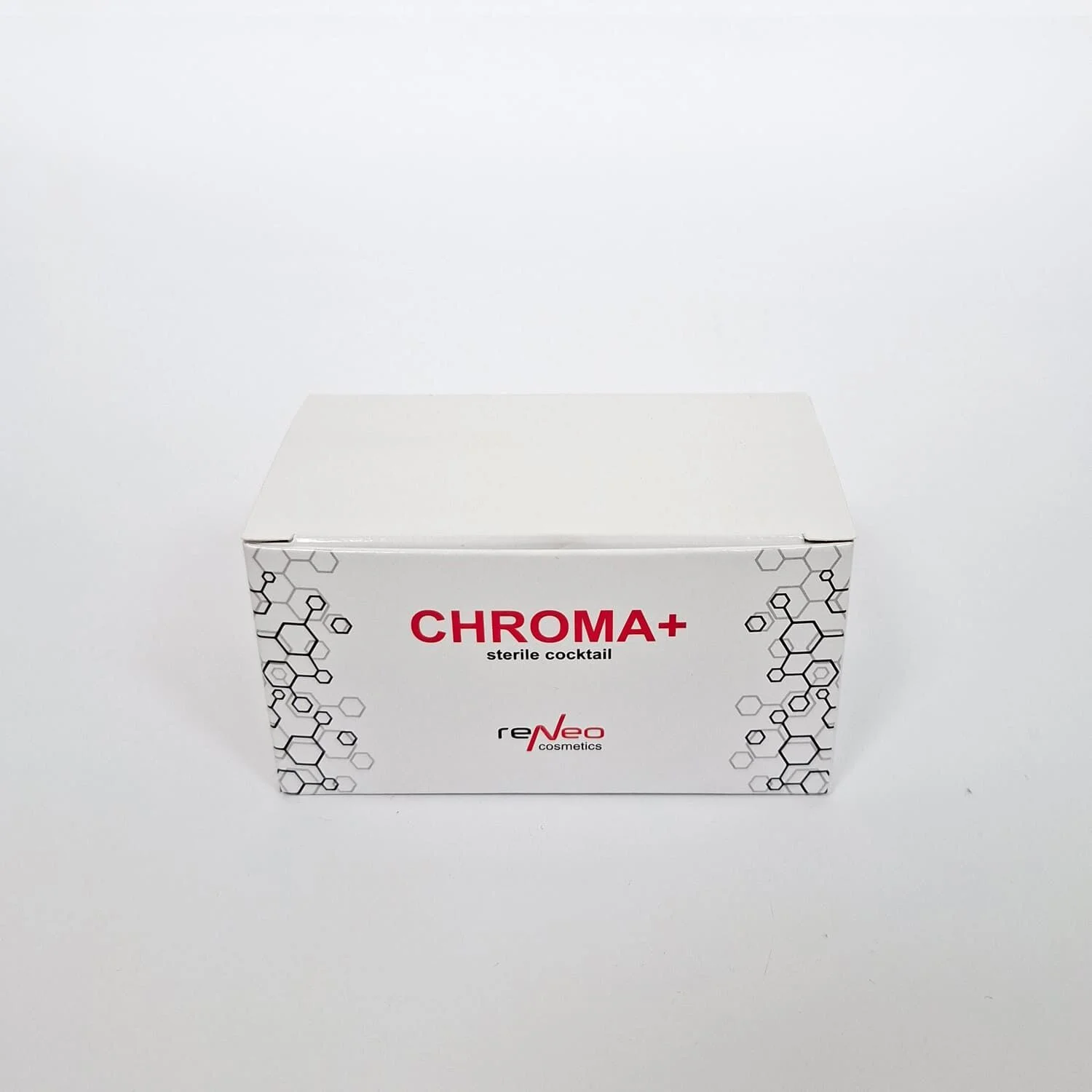
INCI: Aqua/Water, Tranexamic Acid, Sodium Hyaluronate, Glycerin, Niacinamide, Ascorbyl Glucoside, Sodium Chloride, Disodium Phosphate, Sodium Hydroxide, Sodium Phosphate, Glutathione










Reviews
There are no reviews yet.